DECISION IN DELGAMUUKW V. BRITISH COLUMBIA HELPS RESOLVE “ABORIGINAL TITLE”
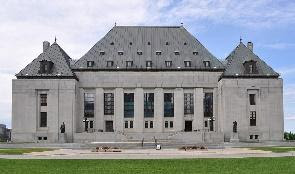
After many years of failed negotiations with British Columbia (B.C.), in 1984, the hereditary chiefs of the Gitxsan (Delgamuukw) & Wet’suwet’en First Nations (FNs) filed suit with the Supreme Court of B.C. (BCSC) using oral histories in support of their land claims. In 1991, BCSC ruled that any title claim died when B.C. joined the Confederation. The ruling was upheld on appeal to the Court of Appeal of B.C (CABC) in 1993. The Supreme Court of Canada, however, found that B.C. had no right to extinguish Indigenous rights to ancestral territories and that oral histories are equal to other types of evidence. The court, clarifying the Calder case (1973), created a 3-part test for claiming this right: First, the FN must have occupied the territory before Declaration of Sovereignty (DOS); second, if present occupation is evidence of occupation before DOS, there must be continuity; and third, at DOS, occupation must have been exclusive.
Sources: Gerald A. Beaudoin, “Delgamuukw case,” The Canadian Encyclopedia, 8/18/2017. Retrieved 9/8/2020, https://www.thecanadianencyclopedia.ca/en/article/delgamuukw-case Brett Forester, "The Delgamuukw decision: Putting the Wet'suwet'en conflict in perspective," APTN News, 3/4/2020. Retrieved 9/8/2020,The Delgamuukw decision: Putting the Wet’suwet’en conflict in perspectivePhoto: Dig deeper, 7/12/2017. Permissive Use.
 Indigenous America Calendar