CANADA PASSES GRADUAL ENFRANCHISEMENT ACT
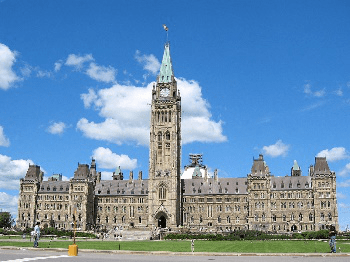
Following the 1763 Treaty of Paris, British colonial officials developed laws to decide who was an “Indian,” in part, for determining who could live on reserves. In 1867, when Nova Scotia, New Brunswick, Ontario, and Quebec formed the Dominion of Canada, it assumed responsibility for First Nations affairs under the British North America Act. The Act, passed to control, regulate, and assimilate Indigenous peoples (“Indians” in the Act), followed The Gradual Civilization Act of 1857 (passed by the Province of Canada), and preceded the Indian Act of 1876. “Enfranchisement,” under the Act, meant the process by which First Nations members lost membership in their home communities in exchange for Canadian citizenship. Enfranchised persons ceased to be considered as Indigenous, except for their share of First Nation’s annuities. Absent government permission, they also could not reside on any reserve. Finally, no one was allowed to provide alcohol to any Indigenous person.
Source:

John Boileau, “Gradual Enfranchisement Act,” The Canadian Encyclopedia, 11/22/2022.  Retrieved 3/14/2023,  Gradual Enfranchisement Act | The Canadian Encyclopedia

Photo:  Author unknown, 7/30/2005.  Permissive Use.
 Indigenous America Calendar